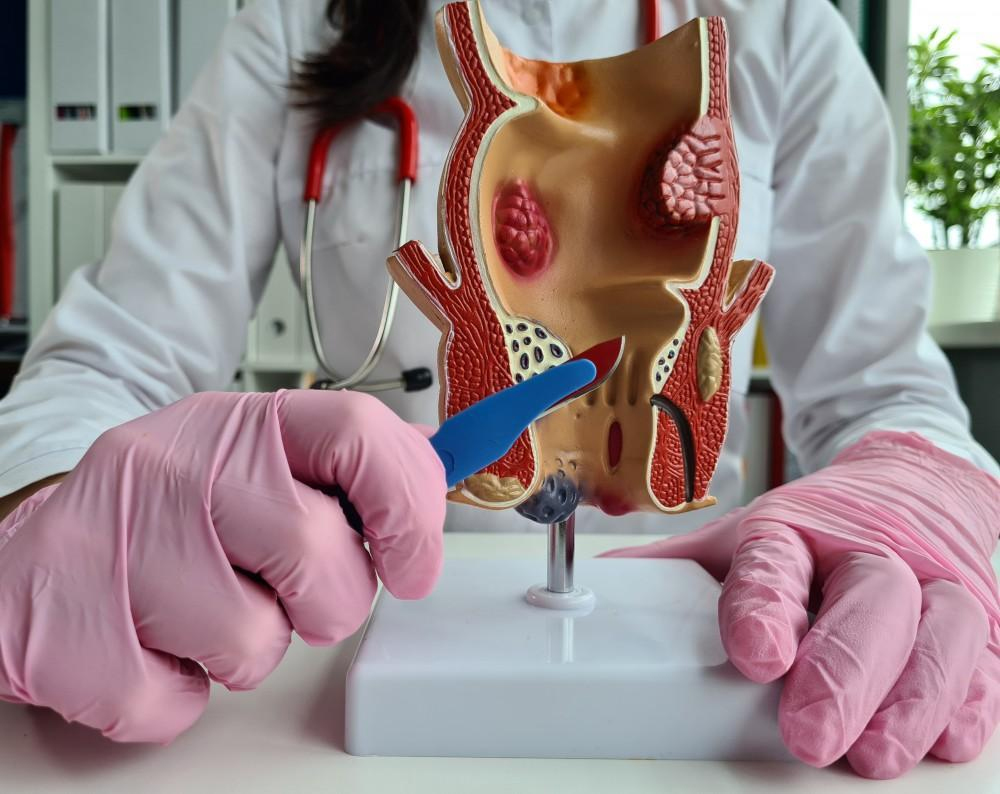
An anal fistula is an abnormal tunnel that forms between the inside of the anus or rectum and the surrounding skin. It often develops as a result of an infection in an anal gland that forms an abscess, which drains and leaves behind a persistent tract. Anal fistulas can cause pain, swelling, pus discharge, and discomfort during bowel movements.
The most common cause is an untreated or improperly healed anal abscess. Other contributing factors include:
Common signs and symptoms include:
Persistent pain or discomfort around the anus
Swelling or a small opening near the anal region
Pus or foul-smelling discharge from the opening
Irritation or redness of the surrounding skin
Pain during bowel movements
Recurring abscesses
A proper evaluation is essential to diagnose the type and complexity of the fistula. Diagnosis may include:
Anal fistulas typically do not heal on their own and require surgical management. The goal is to remove the infected tract while preserving continence.
The most common and effective procedure for simple fistulas
The fistula tract is opened and left to heal from the inside out
A special thread is inserted into the fistula tract to allow drainage and reduce infection
Often used in complex or high-risk fistulas
A minimally invasive procedure using laser energy to close the fistula tract
Minimal pain, quick recovery, and no cutting involved
Preserves the sphincter muscles
Suitable for complex or high anal fistulas
A tissue flap is created to cover the internal opening of the fistula
Reserved for recurrent or difficult cases
Dr. Protiva Talukdar specializes in advanced colorectal and anorectal care. Her expertise in laser and sphincter-preserving procedures ensures that patients receive safe, effective, and minimally painful treatment options with the best possible outcomes.
Expert in Ksharsutra Therapy & Proctology. Providing safe, effective, and compassionate care for anorectal conditions through Ayurvedic and laser-based methods.
