13 Rishi Bankim Chandra Rd, Dum Dum, Kol– 700028 protivatalukdar17@gmail.com | contact@drprotivatalukdar.com
Example Image

Understanding Piles (Hemorrhoids)

Piles, medically known as hemorrhoids, are swollen and inflamed veins in the rectum and anus. They are a common anorectal condition that affects people of all ages, often causing pain, discomfort, and rectal bleeding. Though not life-threatening, piles can significantly affect quality of life if left untreated.

What Causes Piles?

Piles develop due to increased pressure in the lower rectum, leading to swelling and inflammation of the veins. Common contributing factors include:

  • Chronic constipation or diarrhea
  • Straining during bowel movements
  • Prolonged sitting on the toilet
  • Prolonged sitting on the toilet
  • Pregnancy and childbirth
  • Low-fiber diet
  • Aging
  • Heavy lifting

Internal Piles
  • Located inside the rectum
  • Usually painless but may cause bleeding
  • May protrude outside the anus (prolapsed) in advanced stages
External Piles
  • Form under the skin around the anus
  • Can be painful, especially when thrombosed (containing clotted blood)
  • May cause swelling, itching, and irritation

  • Bright red blood during or after a bowel movement
  • A lump or swelling near the anus
  • Itching, irritation, or burning sensation
  • Pain or discomfort during defecation
  • Mucus discharge
  • A feeling of incomplete evacuation
  • Protruding lumps (especially in prolapsed hemorrhoids)

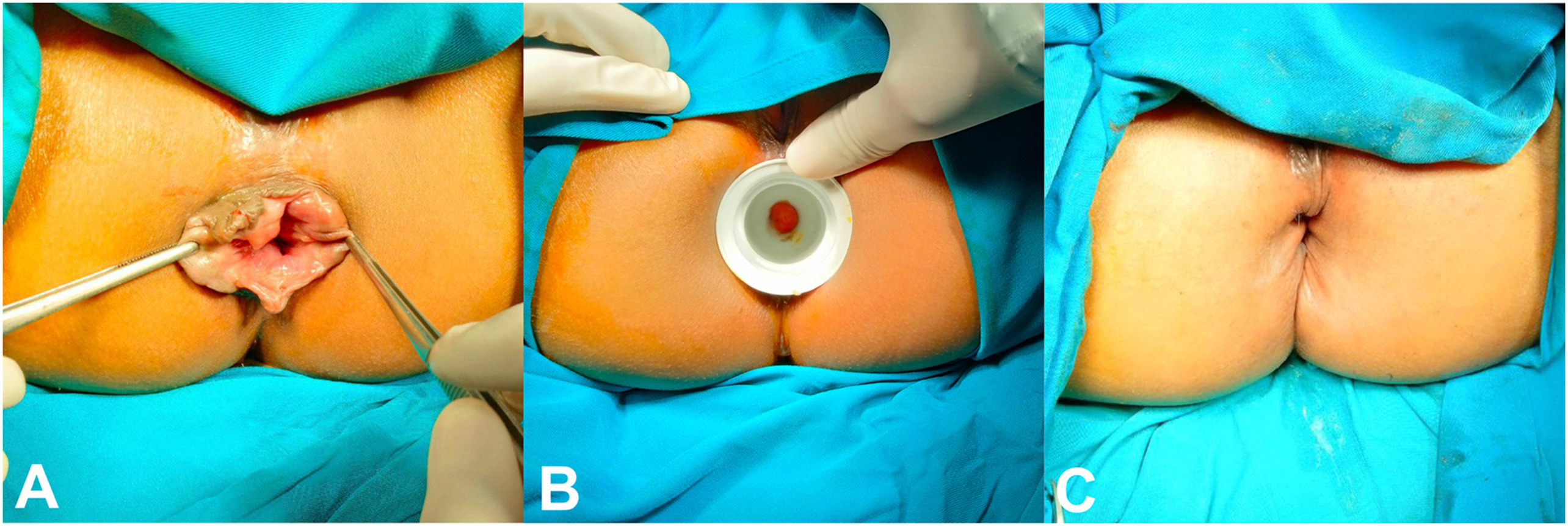
Prolapsed or external piles may appear as soft, swollen lumps around the anal opening. They can be red, purple, or skin-colored, and may be tender or painful to touch. A mirror can help in visual self-examination, but clinical evaluation is always recommended.

Dr. Protiva Talukdar conducts a thorough evaluation including:

  1. Medical history and symptom review
  2. Physical examination of the anal region
  3. Rectal examination using a gloved finger
  4. Anoscopy or proctoscopy for internal visualization