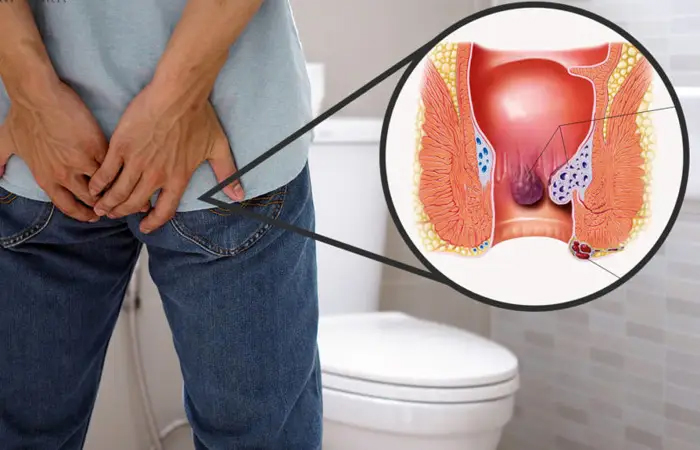
Treatment for piles (hemorrhoids) depends on the severity of the condition and the type—internal or external. Options range from simple lifestyle changes to advanced medical procedures. Early diagnosis and timely treatment can help manage symptoms effectively and prevent complications.
Piles develop due to increased pressure in the lower rectum, leading to swelling and inflammation of the veins. Common contributing factors include:
These approaches are generally effective for early-stage hemorrhoids (Grade 1 and some Grade 2):
High-fiber diet (fruits, vegetables, whole grains)
Adequate fluid intake
Avoid spicy, oily, and processed foods
Avoid prolonged sitting, especially on the toilet
Exercise regularly to prevent constipation
Respond promptly to the urge to pass stool
Stool softeners or mild laxatives
Topical ointments and creams to relieve pain or itching
Anti-inflammatory suppositories
Oral pain relievers (if needed)
For persistent or prolapsed piles (Grade 2 and Grade 3), these procedures offer effective results with minimal recovery time:
A small band is placed around the base of the hemorrhoid to cut off blood supply
The hemorrhoid shrinks and falls off in a few days
Uses infrared light to coagulate blood vessels supplying the hemorrhoid
Injection of a chemical solution to shrink the hemorrhoid
A precise and pain-minimized procedure using laser energy
Less bleeding, quicker healing, and minimal discomfort (see detailed section above)
In severe cases (Grade 3 or Grade 4), or when other treatments fail:
Surgical removal of hemorrhoidal tissue
Highly effective but involves longer recovery and more post-operative pain
Used mainly for internal piles
Staples reposition the hemorrhoid and reduce its blood supply
The ideal treatment varies based on:
Type and grade of piles
Frequency and severity of symptoms
Patient’s health condition and preferences
A proper diagnosis and consultation with a specialist like Dr. Protiva Talukdar can help determine the most effective and safest option tailored to your needs.
Expert in Ksharsutra Therapy & Proctology. Providing safe, effective, and compassionate care for anorectal conditions through Ayurvedic and laser-based methods.
